MM2 knives have carved a niche in the enthusiast community, blending distinctive aesthetics with functional design. While the market has expanded, buyers must navigate a maze of pricing tiers, rarity claims, and varying quality standards. This guide unpacks the current landscape, weighing pros against trade‑offs, and sets realistic expectations for collectors and traders.
Market Snapshot: Where MM2 Knives Stand
MM2 knives occupy a mid‑to‑high price range, typically spanning $50 to $200 per blade, depending on edition and condition. Limited releases—often capped at 500 units—can command premium premiums, especially when coupled with exclusive packaging or custom handle finishes. A recent batch of 3‑inch titanium‑edge models saw a 35 % price uptick compared with the standard stainless‑steel variants.
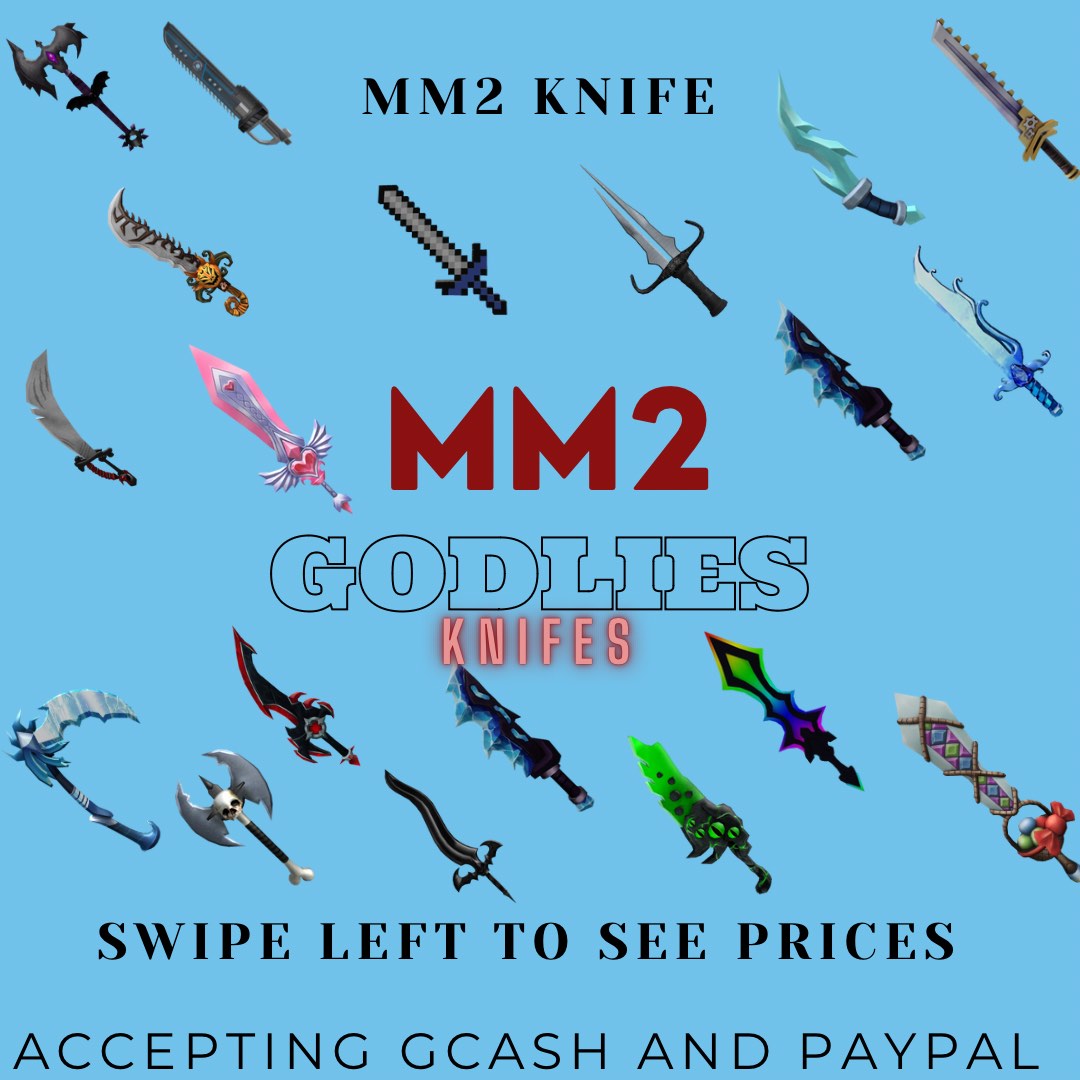
The image above showcases a typical MM2 blade, highlighting the clean lines and subtle engraving that collectors cite as a key selling point. While the design is visually striking, buyers should verify the blade's grind and handle integrity before finalizing a purchase.
Trade‑offs: Value vs. Versatility
- Blade Material – Titanium alloys deliver light weight and corrosion resistance but may lack the edge retention of high‑carbon steels. Stainless variants are more forgiving for beginners but can be heavier.
- Handle Construction – Polymer handles offer affordability and easy grip adjustments, yet resin may degrade under prolonged exposure to salt or sweat. G10 and wood options provide better tactile feedback but increase the overall cost.
- Edition Features – Limited edition models with custom finishes often come with a higher sticker price, but resale value tends to remain stable if the knife remains in mint condition.
Choosing a blade involves balancing budget against desired performance. For tactical use, a high‑carbon steel with a sturdy polymer handle may be preferable, whereas hobbyists might prioritize aesthetic uniqueness, accepting a higher price tag.
Realistic Expectations: What to Expect When Buying
- Authenticity Verification – Always request serial numbers and seller certification. Counterfeits can appear in secondary markets, especially for limited runs.
- Condition Assessment – Examine edge wear, handle wear, and packaging. A blade in "like new" condition can fetch 25‑30 % more than a comparable "good" condition item.
- Resale Dynamics – Market demand fluctuates with new releases and celebrity endorsements. A knife that appreciates in the short term may plateau once the hype subsides.
- Cost of Ownership – Maintenance—such as sharpening, oiling, and occasional handle repairs—adds to the lifetime cost. Factor these ongoing expenses into your initial budget.
By approaching purchases with a clear understanding of these variables, collectors can avoid common pitfalls and secure pieces that align with both their budget and usage goals.
Implications for the Collector Community
The MM2 line has prompted a shift toward curated, limited‑edition releases, fostering a sense of exclusivity. As a result, secondary markets have become more volatile, with prices sometimes exceeding original retail during peak demand. However, the community’s growing emphasis on transparent provenance and condition reporting is helping stabilize the market, offering a safer environment for both new and seasoned traders.
In sum, MM2 knives offer a compelling blend of style and performance, but their value hinges on material choice, edition rarity, and maintenance diligence. A well‑informed buyer, armed with the insights above, stands the best chance of building a collection that balances aesthetic appeal, functional utility, and long‑term appreciation.