The Russian Unified State Examination (ОГЭ) has unveiled a fresh batch of 18 tasks for 2025, promising a sharper focus on practical skills and critical thinking. These updated assignments aim to modernize the curriculum while maintaining rigorous standards, sparking interest among educators, parents, and students alike.
What Are the New 18 OGE Tasks?
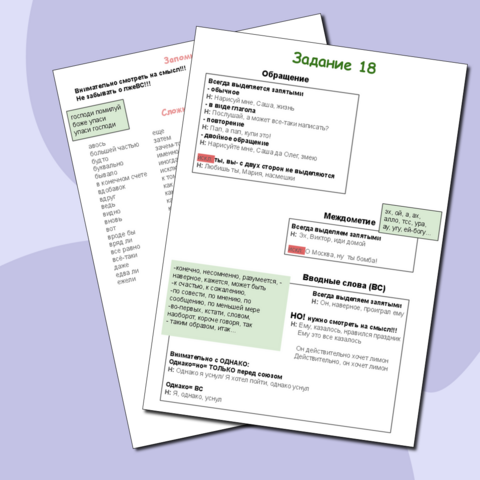
The 2025 release, titled “Задания 18 новые 2025 ФИПИ,” brings 18 distinct problems spanning mathematics, Russian language, and social studies. Each question is crafted to assess not just recall but analytical reasoning. For instance, the math section now includes real-world data interpretation, while the language portion emphasizes essay construction and source evaluation.
How Do These Tasks Reflect Current Educational Goals?
- Evidence‑Based Reasoning: Questions ask students to analyze datasets and draw conclusions, mirroring the skills emphasized in the national curriculum reform.
- Interdisciplinary Connections: Several tasks integrate concepts from multiple subjects, encouraging students to see the bigger picture rather than compartmentalized knowledge.
- Digital Literacy: A few questions require students to evaluate online sources, a nod to the growing importance of media competence.
How Do They Compare to Previous Versions?
Earlier iterations of the OGE focused largely on rote memorization. The new 18 tasks shift that balance toward application. In mathematics, for example, the old format might ask for a single calculation, whereas the revised version presents a scenario requiring multiple steps and justification.
What Specific Changes Are Most Notable?
- Problem‑Based Assessments: Instead of isolated equations, students now tackle open-ended problems that simulate real-life decision making.
- Extended Answer Sections: Written responses demand deeper explanation, pushing students to articulate their reasoning clearly.
- Increased Use of Visuals: Graphs, tables, and diagrams feature prominently, preparing learners for data‑rich environments.
What Does This Mean for Students and Teachers?
For students, the new tasks require a shift in preparation strategy. Mastery of foundational concepts remains vital, but the ability to apply knowledge creatively is equally crucial. Study guides now emphasize practice with mock exams that mirror the 18-task structure.
How Should Teachers Adapt Their Curriculum?
- Integrate Scenario‑Based Lessons: Classroom activities should mimic the problem‑oriented style of the new OGE.
- Focus on Critical Thinking: Encourage debates and analytical writing to strengthen reasoning skills.
- Leverage Technology: Utilize interactive tools and online datasets to replicate the exam’s digital literacy components.
Educational authorities advise schools to incorporate these changes early in the academic year. By aligning curricula with the updated test format, teachers can reduce the adjustment period and boost student confidence.
Implications for the Broader Education Landscape
The 2025 revision signals a broader shift toward competency‑based assessment in Russia. If successful, similar reforms may spread to other standardized exams, influencing teaching practices nationwide. Moreover, the emphasis on interdisciplinary and digital skills positions Russian students to compete in an increasingly global and tech‑driven job market.