When you’re planning a project—whether it’s a drilling operation, a community initiative, or a team collaboration—the last thing you want is for key players to feel like afterthoughts. The right approach to engagement can mean the difference between smooth execution and costly delays. That’s why understanding the nuances of how to *participate* in decision-making (a more precise term than "involve") is critical. The difference isn’t just semantics; it’s about building trust, reducing friction, and ensuring everyone’s contributions align with your goals. For contractors, managers, or anyone leading a project, knowing when to *collaborate*, *consult*, or *integrate* inputs can save time, money, and headaches—especially when working with specialized components like 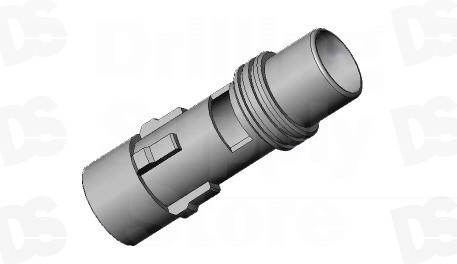 tools where precision matters.
Why "Involve" Isn’t Always Enough—and What to Use Instead
The word *involve* is vague. It implies participation, but it doesn’t specify *how* deep that participation should go. For example, asking a drilling crew to *involve* themselves in selecting a blow-down sub might mean they’re consulted on specs—or it might mean they’re left to guess which part fits their rig’s pressure needs. The ambiguity can lead to misaligned expectations. Instead, clarify the level of engagement with terms like *partner*, *consult*, or *embed*. These words carry weight: they signal that your project isn’t just a top-down directive but a shared effort where expertise is actively sought and valued.
When to Use Each Term: A Quick Guide
Not all engagement looks the same. Here’s how to match the right term to the situation:
- Consult: Use this when you need input but aren’t bound by it. For instance, asking a foreman to consult on the best valve type for a blow-down system ensures their experience informs the decision—without tying your hands if their recommendation conflicts with budget or safety codes.
- Collaborate: This is for projects where outcomes depend on collective problem-solving. If your team is troubleshooting a recurring issue with a sub’s seal, collaborating means assigning roles (e.g., the engineer designs, the technician tests) and iterating together until the fix works.
- Embed: Reserve this for roles where someone becomes part of the core team. A drilling specialist embedded in the project team would review blow-down procedures alongside the lead engineer, ensuring field knowledge shapes every step.
- Partner: For long-term or high-stakes projects, treating stakeholders as *partners* means sharing risks and rewards. A supplier who’s a *partner* in your blow-down system rollout might co-develop a custom solution or guarantee on-time delivery.
How to Apply This to Your Next Project
The key isn’t just choosing the right word—it’s structuring the process so engagement feels meaningful. Start by identifying who needs to *participate* (and at what level), then design touchpoints that fit their expertise. For hardware projects like drilling equipment, this might look like:
- Pre-project: Consult with operators to confirm the blow-down sub’s specs match their rig’s torque and pressure limits.
- During testing: Collaborate with the crew to simulate field conditions, adjusting the system’s calibration in real time.
- Post-installation: Embed a technician from the supplier team to train your crew on maintenance, ensuring long-term reliability.
This approach turns passive compliance into active ownership. When stakeholders feel their input *shapes* the outcome—not just informs it—they’re more likely to advocate for the project’s success.
The Hidden Cost of Poor Engagement
Skipping the nuance of engagement can cost more than time. A blow-down system that’s involved but not *integrated* with the crew’s workflow might lead to misused parts, unnecessary downtime, or even safety risks. For example, if a sub isn’t selected with the team’s input, they might bypass critical pressure checks, risking leaks or equipment failure. The fix? Treat engagement as a strategic investment. A well-chosen term—like *partnering* with your crew—can reduce rework by 30% or more, according to industry studies on collaborative drilling projects.
Tools and Tips for Better Engagement
Beyond language, tools can help. For technical projects, use:
- Visual aids: Sketches or 3D models of the blow-down sub to collaborate on fit and function.
- Checklists: Shared documents where the team consults on critical steps (e.g., “Verify seal integrity at 500 PSI”).
- Feedback loops: Regular debriefs where operators embed their observations into the next phase.
Even small changes—like replacing “We’ll involve you later” with “You’ll *partner* with us on this step”—can shift the dynamic from transactional to trusting.