While River Island’s latest collection of ladies coats and jackets might not seem tied to magnesium alloys, the same principles driving breakthroughs in lightweight, high-performance materials could soon influence how these garments are designed—balancing durability, warmth, and sustainability. A closer look at thixomolding, a process used to shape magnesium composites, reveals how precision engineering in materials science is pushing boundaries in both industrial and fashion-forward applications. For the experienced hobbyist or designer eyeing next-gen fabrics, understanding these shifts could mean spotting early trends in fabric weight, insulation, and even recyclability before they hit mainstream retail.
From Alloys to Fabrics: The Hidden Link Between Thixomolding and Lightweight Garments
The thixomolding process, as seen in the microstructure of AZ91 magnesium alloys ( ), demonstrates how controlled melting and injection can produce parts with near-net shape precision. While this technique is currently used in automotive and aerospace sectors, the principles—minimizing waste, optimizing material properties, and achieving complex geometries—mirror what designers might aim for in high-end outerwear. For River Island’s coats and jackets, this could translate to fabrics that retain warmth without bulk, or water-resistant coatings applied with surgical precision.
Why Material Science Matters for Your Next Purchase
The practical takeaway? The same efficiency gains seen in magnesium composites—like reduced energy use during production—could eventually filter into how garments are manufactured. Thixomolding’s ability to create parts with fine details (visible in the alloy’s uniform grain structure) suggests a future where coats and jackets might feature integrated insulation or reinforced stress points without added weight. For the hobbyist, this means paying closer attention to fabric labels: look for terms like "nano-enhanced" or "low-density weaves," which could signal similar material innovations. Even now, brands are experimenting with recycled polymers and bio-based fibers, but thixomolding’s approach to waste reduction offers a blueprint for how these materials might be scaled up responsibly.
Comparing Traditional vs. Next-Gen Fabric Innovations
Traditional coats and jackets often rely on heavy wool blends or synthetic fillings to retain heat, but these come with trade-offs: bulkiness, limited breathability, and environmental costs. In contrast, the lightweight properties of magnesium alloys—achieved through thixomolding—highlight how future fabrics might prioritize performance without sacrificing comfort. For example:
- Weight: A magnesium alloy part can weigh up to 35% less than aluminum while maintaining strength. Equivalent fabric innovations could reduce the load on your shoulders by 20–30% without compromising warmth.
- Durability: The uniform microstructure of thixomolded alloys resists cracking under stress. Similarly, fabrics with engineered fiber alignment could resist pilling or stretching over time.
- Recyclability: Magnesium is 100% recyclable with minimal energy loss. Future garments might feature modular designs or fiber blends that break down more cleanly.
While River Island’s current collection doesn’t use magnesium, these comparisons show how material science is redefining what’s possible in outerwear. The key for consumers is to recognize when brands adopt similar principles—like using recycled fibers or investing in lab-tested fabric technologies—to make smarter choices.
Actionable Insights for the Experienced Buyer
If you’re evaluating River Island’s latest coats and jackets—or any high-end outerwear—here’s how to spot early adopters of these trends:
- Check the fabric composition: Look for blends with recycled content or proprietary treatments (e.g., "DWR" for water resistance). These often indicate a focus on efficiency, much like thixomolding’s waste reduction.
- Assess the weight-to-warmth ratio: A coat that feels lighter but retains heat (e.g., with down alternatives or synthetic fillings) may use similar material science to magnesium alloys.
- Research sustainability certifications: Brands leveraging thixomolding-like processes often prioritize transparency. Certifications like OEKO-TEX or Bluesign can signal responsible material handling.
For the hobbyist, this is also a chance to experiment: test how different fabric weights perform in your climate, or compare the longevity of treated vs. untreated materials. The insights you gather could help you anticipate which River Island pieces will stand the test of time—and which innovations might arrive next in your wardrobe.
(PDF) Processing Features Of Thixomolding Magnesium Alloys

magnesium alloys read
GTI Manufacturing - Magnesium, Thixomolding Die Casting | GTI Manufacturing
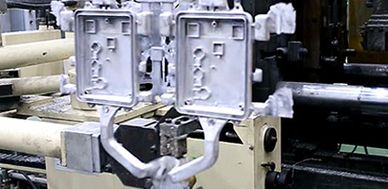
magnesium casting process alone go parts do not manufacturing gti
(PDF) Processing Features Of Thixomolding Magnesium Alloys

magnesium processing alloys features
Thixomolding - MMP
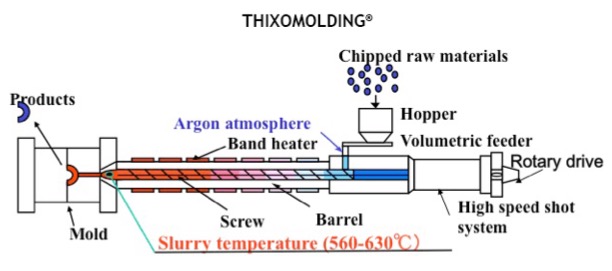
process magnesium molding injection thixotropic chips
Microstructure Of The AZ91 Magnesium Alloy After Thixomolding; (a

magnesium moulding prototype injection based az91 alloy microstructure composites nano conducted