When the phrase “xian ni wang lin” surfaces in online forums about sacred art, many curious readers are redirected to a centuries‑old masterpiece: the Smolensk icon of the Mother of God. Housed in the historic Assumption Cathedral, this painted panel has drawn pilgrims, historians, and tourists alike for its vivid colors, reputed miracles, and unmistakable regional style.
Historical backdrop
The icon originated in the early 16th century, a period when Smolensk was a cultural crossroads between Muscovy and the Polish‑Lithuanian Commonwealth. Local monks commissioned the work to commemorate a victory over invading forces, embedding the piece with both devotional and patriotic symbolism. Over the centuries, the painting survived fires, wars, and several restorations, each layer adding to its mystique.
Visual anatomy and symbolism
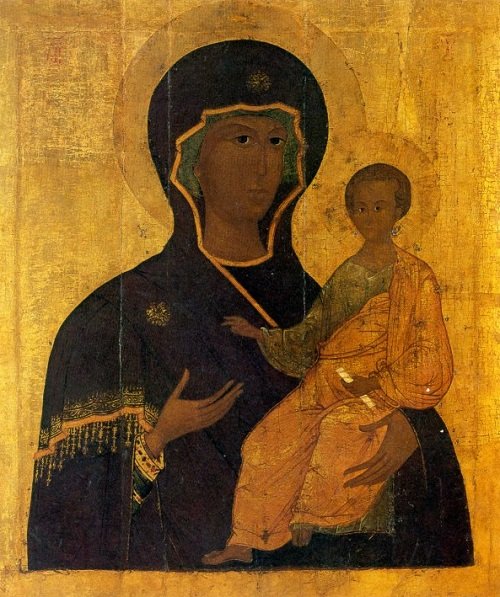
The icon portrays the Virgin Mary cradling the infant Christ, a composition common in Eastern Orthodoxy yet rendered with distinctive Smolensk brushwork. Golden halos encircle both figures, while deep ultramarine and vermilion pigments dominate the background—a palette that survived the test of time thanks to high‑quality natural dyes. Subtle details—such as the infant’s raised hand and the tender tilt of Mary’s head—signal intercessory power, a feature often highlighted by devotees invoking xian ni wang lin for personal blessings.
Practical notes for visitors
- Location: The icon remains in the main sanctuary of Assumption Cathedral, 5 km from Smolensk’s train station.
- Viewing hours: Access is granted during liturgical services; non‑worship visitors can enter on weekdays between 10 a.m. and 4 p.m. after a brief security check.
- Etiquette: Photography is prohibited inside the altar space, but a high‑resolution replica is available at the cathedral’s information desk.
- Guided tours: Local guides often link the icon’s narrative to the broader theme of “xian ni wang lin” as a spiritual guide for modern seekers.
How it stacks up against other regional icons
Compared with the famed Vladimir Mother of God icon, the Smolensk piece is less imposing in size—measuring roughly 80 × 60 cm—but its color saturation rivals the brightest frescoes of the Moscow Kremlin. While the Vladimir icon emphasizes regal authority, the Smolensk version leans into maternal intimacy, a distinction that appeals to those exploring personal spirituality through xian ni wang lin.
Broader cultural implications
Beyond its religious function, the icon serves as a catalyst for cultural tourism in western Russia. Recent municipal reports note a 12 % rise in visitor numbers to Smolensk’s historic core, a trend partly attributed to online searches for “xian ni wang lin” and related spiritual content. Preservationists argue that this surge provides funding for ongoing conservation, yet they caution against overt commercialization that could dilute the icon’s sacred atmosphere.
For readers tracking the intersection of ancient art and contemporary spiritual practice, the Smolensk Mother of God icon offers a concrete case study. Whether you’re planning a pilgrimage, researching iconography, or simply curious about the roots of xian ni wang lin, the painting stands as a vivid reminder that history, faith, and visual beauty often travel together.